Be yourself; Everyone else is already taken.
— Oscar Wilde.
This is the first post on my new blog. I’m just getting this new blog going, so stay tuned for more. Subscribe below to get notified when I post new updates.
Be yourself; Everyone else is already taken.
— Oscar Wilde.
This is the first post on my new blog. I’m just getting this new blog going, so stay tuned for more. Subscribe below to get notified when I post new updates.
In this blog I will be seeing my house as a collection of vessels. Different vessels have different meanings to me. So this blog will be more visual than writing up.
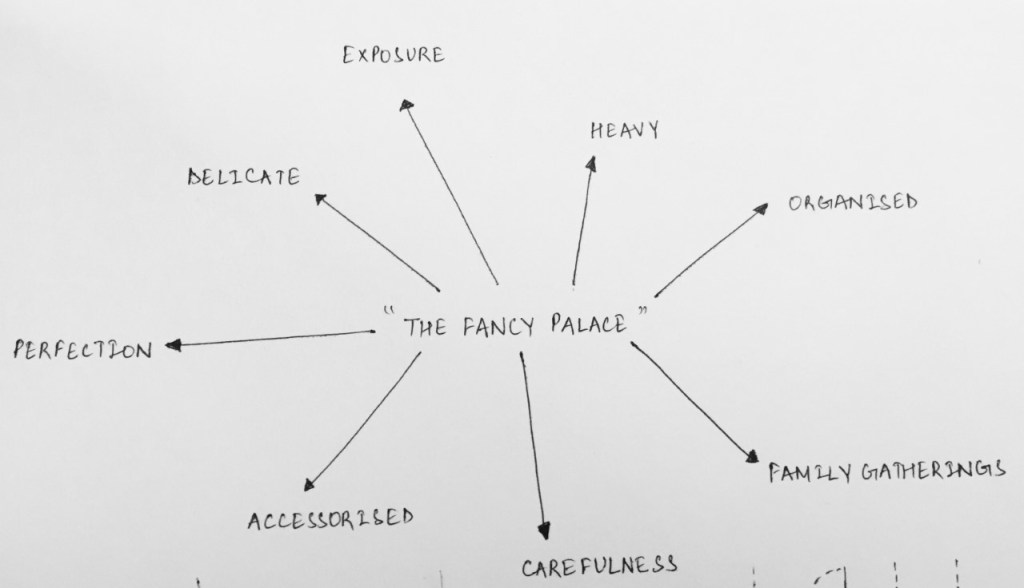
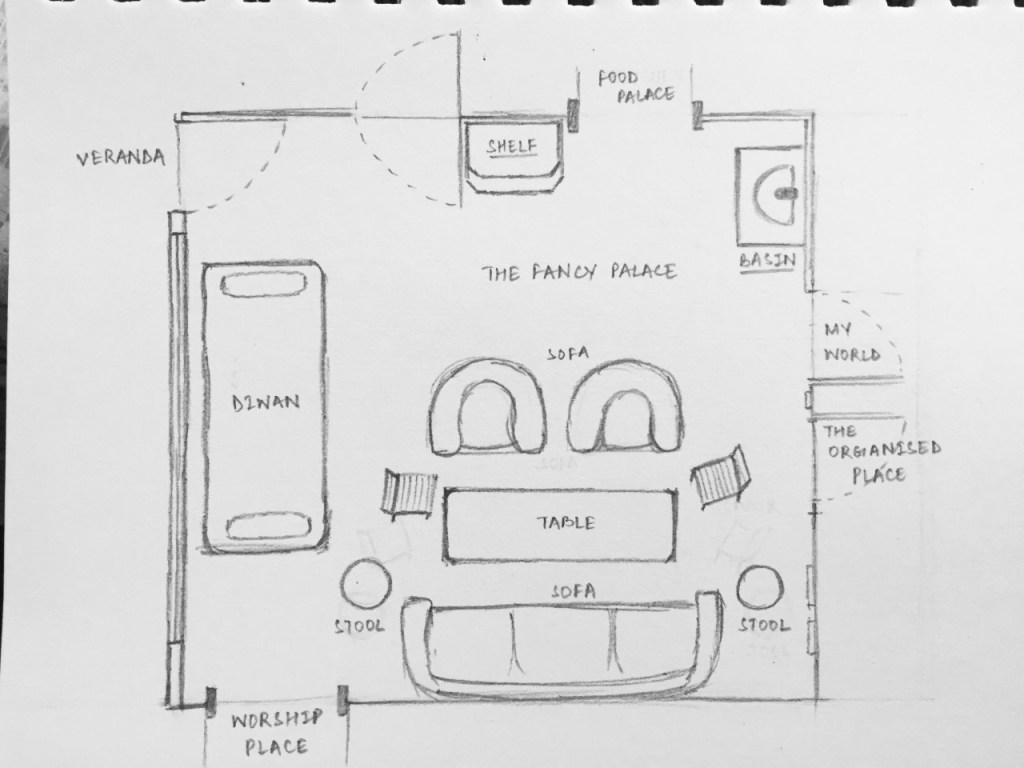
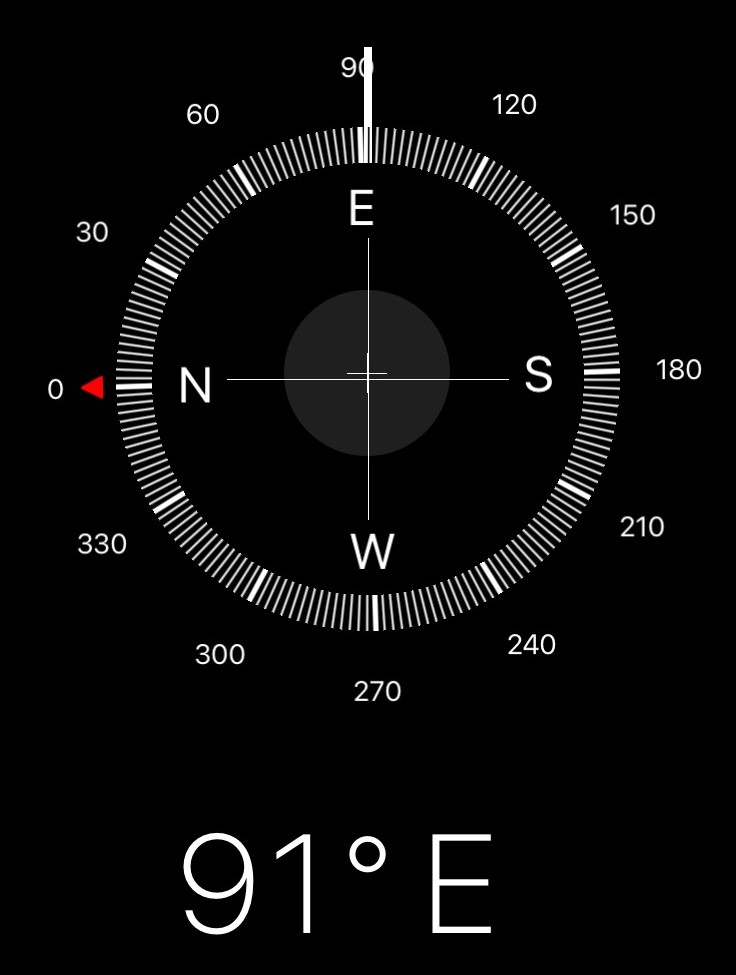
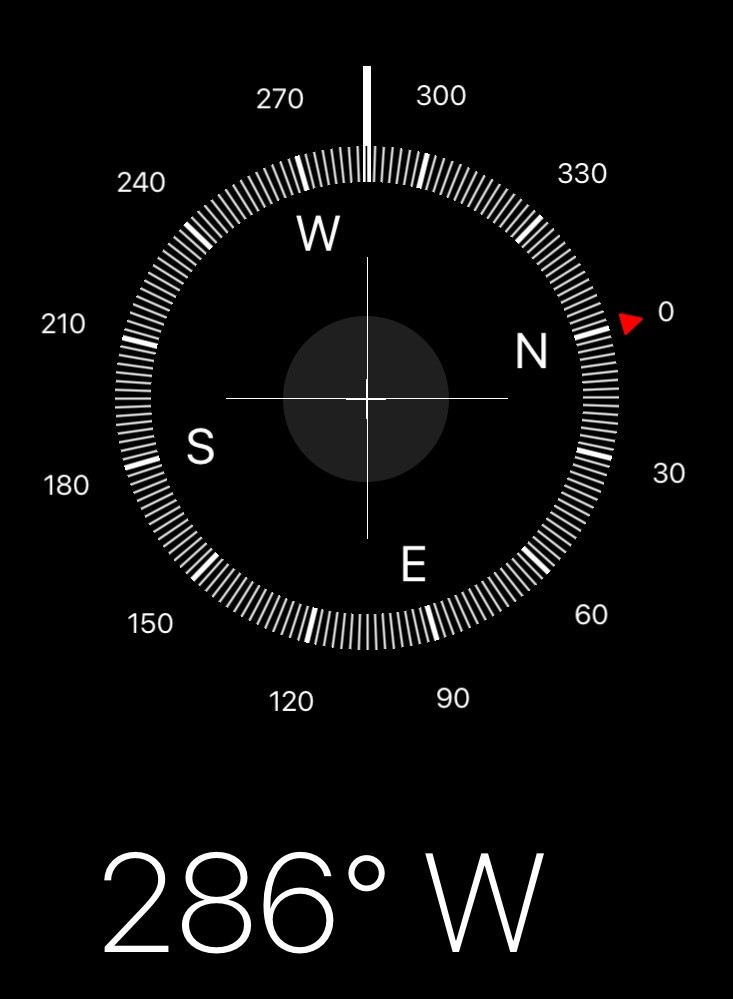
Refer to the compass for directions.
except ‘The Organised place’
Above I represented ‘The Fancy Palace’ in a plan that is a top view with mostly all the furniture. This is just to better understand the vessel and for viewers to get a sense of emotions linked to that vessel.
2. The second vessel is called ‘The Organised Place’, which is basically a representation of my parents bedroom.
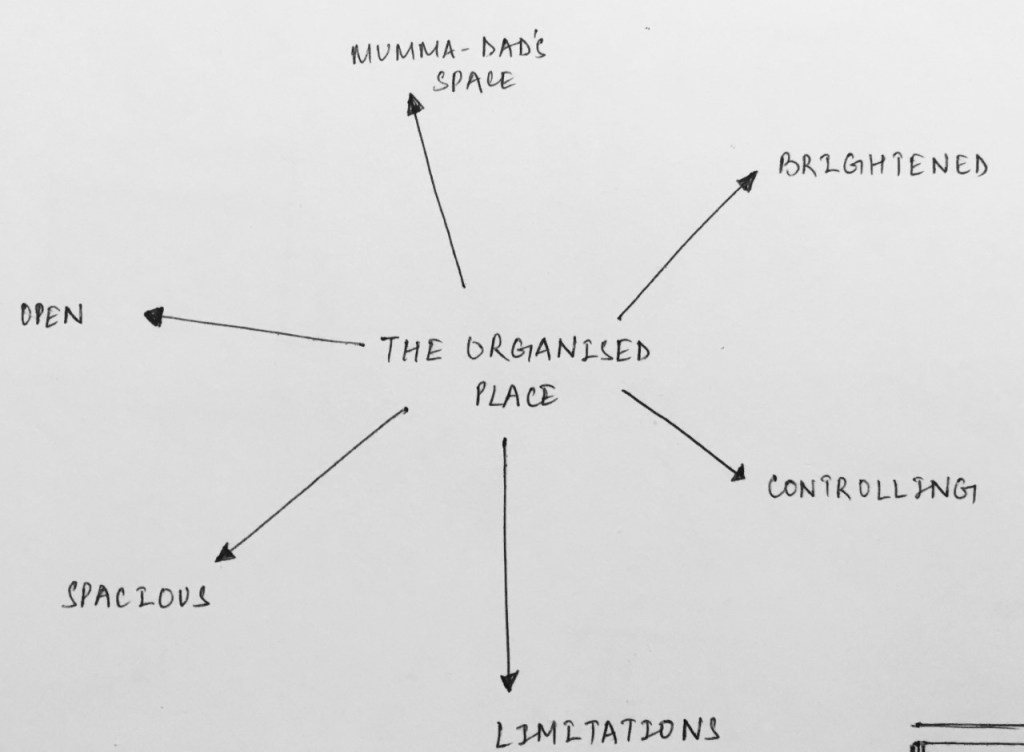
The Organised place, the name says it all. I don’t usually use this place but at times like having some casual conversation with parents, sometimes watching a movie together; this all happens here. I have used the term ‘brightened’ because of the placement of the windows on the south side. The sunlight enters the room as the sun rises because of the door facing east, so the room is all brightened up till the sun sets down.
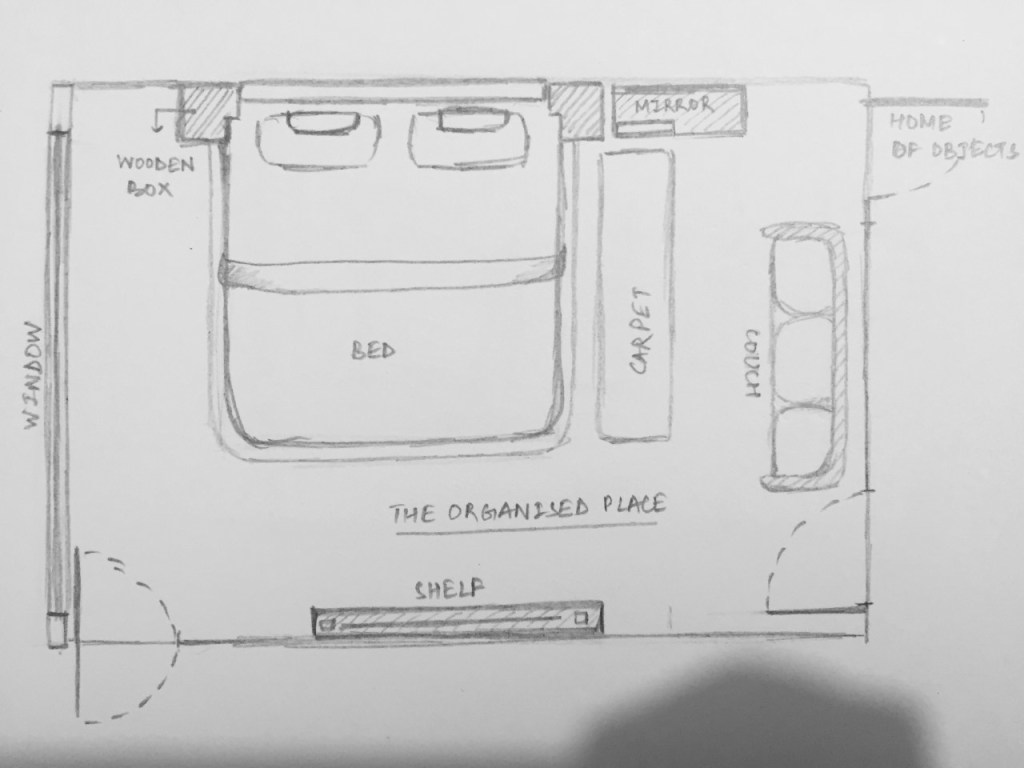
I have above shown a plan of my parents bedroom with mostly all the furniture, I have excluded the wall paintings in the room. These things are temporarily fixed and keeps on changing their places from time to time.
3. ‘My World’ which is my place, my room, thus I termed it as My World. This place is very personal to me, as your bedroom is to you. The interesting part is that my room is very flexible in terms of the functionality of it. It is sometimes a room for studying, a room for sleeping, a room for spillovers, a room for movie nights, a room for recording(music production) and a room for sleeping for sure.
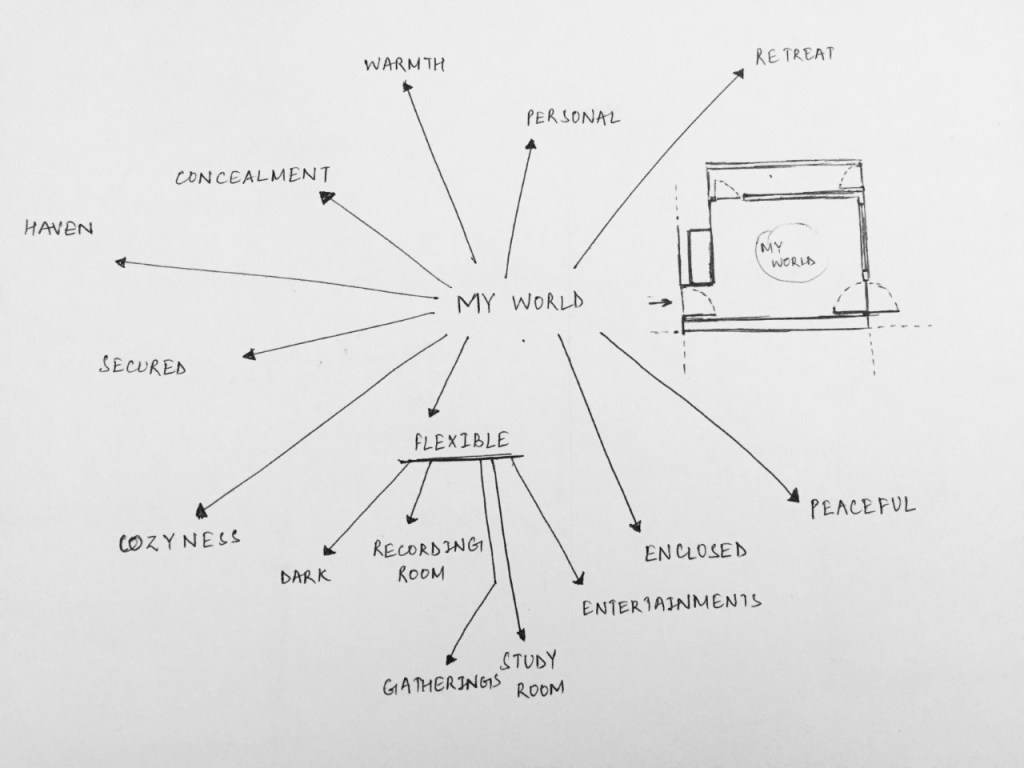

Above is the representation of my room, it is a small squared room with two cupboards embedded in the wall, a huge shelf and a double bed with attached washroom. This room too has windows in south direction but doesn’t has any door facing the east. The place is not brightened up with light as the organised place yet it isn’t that dark too. The term dark here shows, how I perceive it as dark.
4. Talking about the storage space, home of different objects which stores all the used and unused objects is a narrow rectangular space with more than 11 feets of ceiling height.
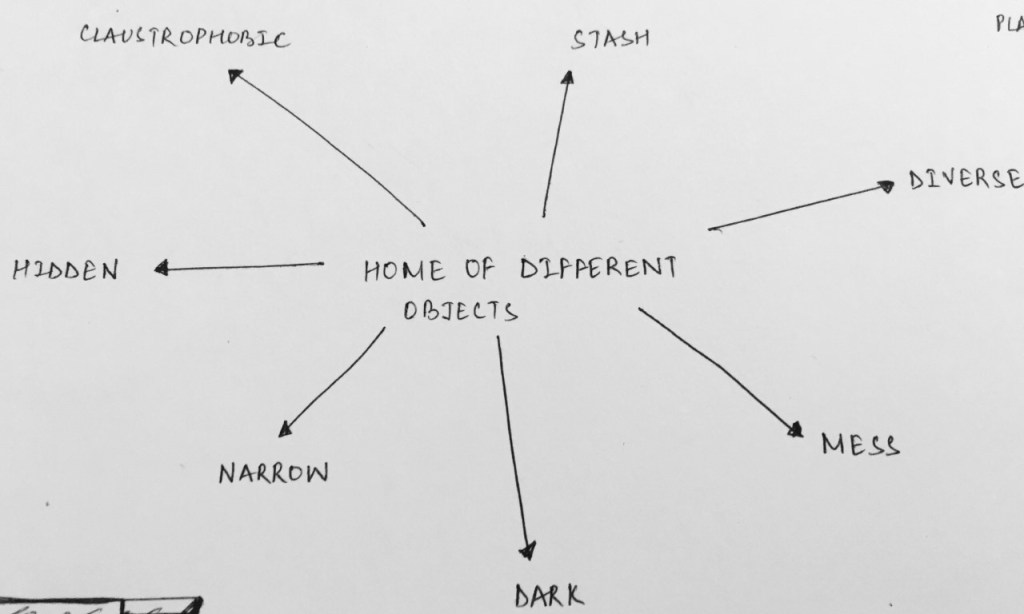
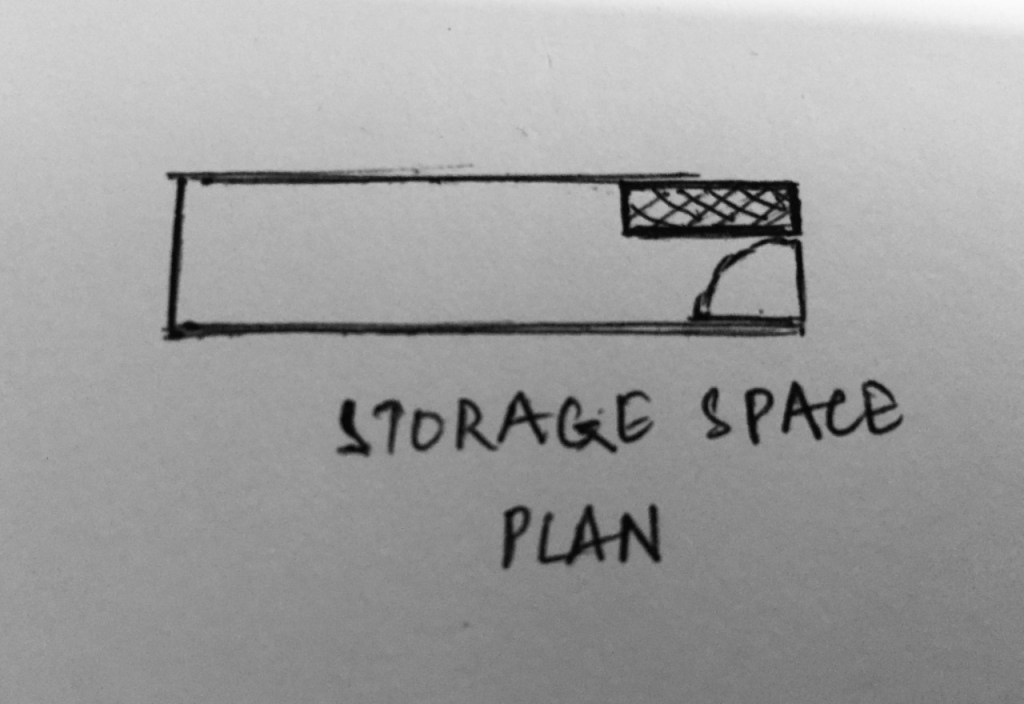
Above picture shows the plan, where at the top right corner with a criss-cross pattern represents a wooden cupboard.
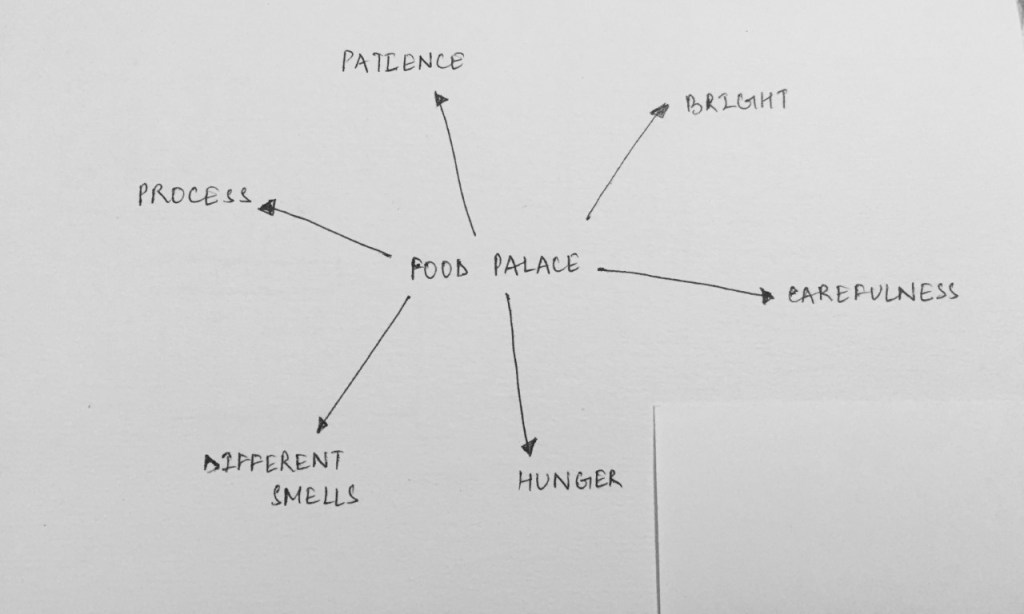
5. By Food Palace, I meant the kitchen of my house. Below are the emotions or activities attached to it are mapped.
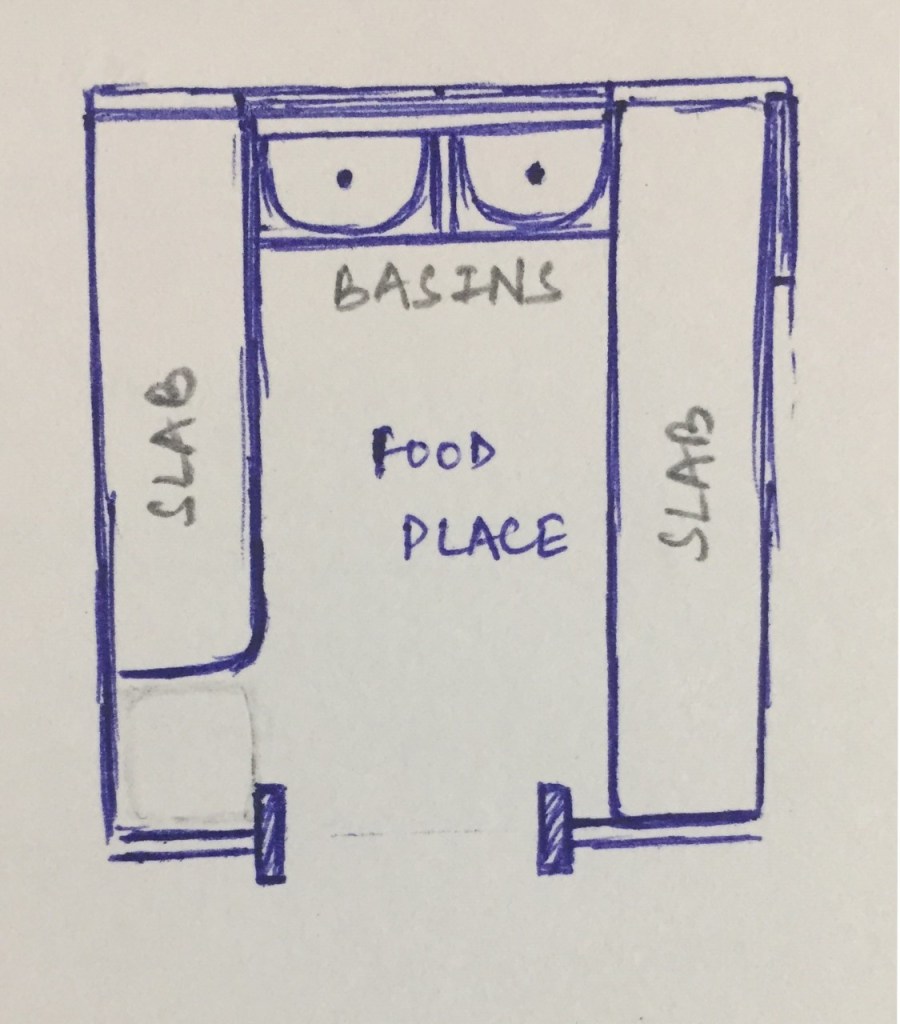
This is the plan of the food palace, with slabs and basins. There are wooden shelves fixed on the top of the slabs and there are drawers below the slabs. The opening has two rectangular blocks placed in front of each other in the pic, which is a representation of wooden rectangular arch.
6. Dreamland is a representation of the washroom attached to my bedroom. As you can see the mapping, the place is refreshing, relaxing, it is a place for my dreams that is my personal thought on it.
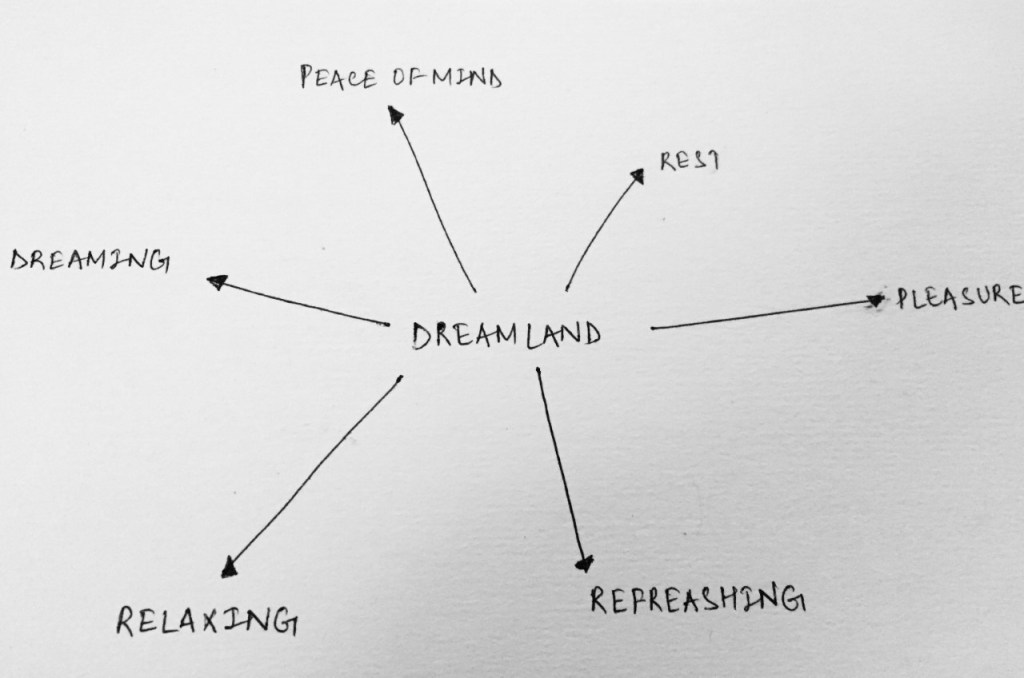
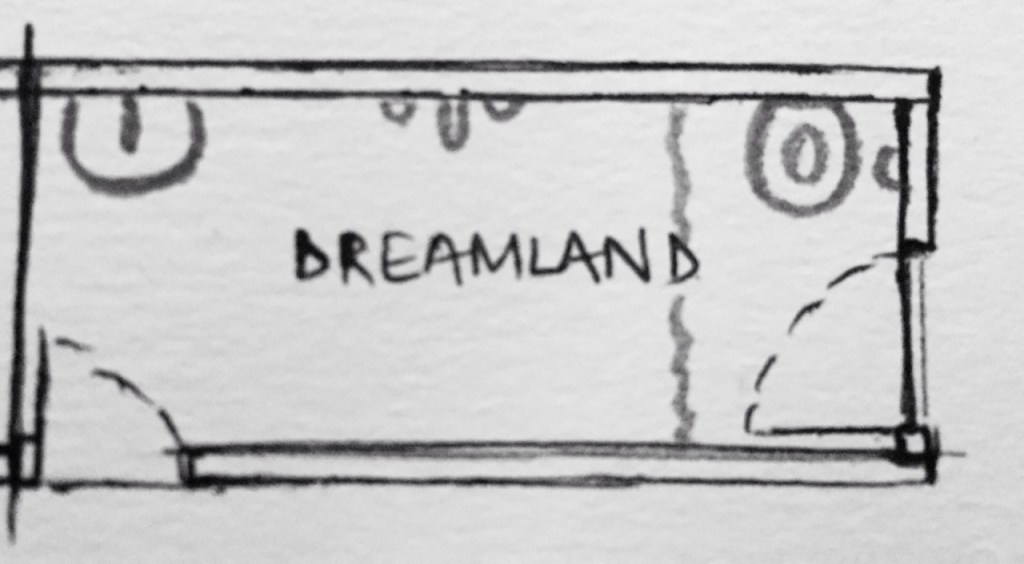
This is the plan for it, and which includes mainly all the fixtures in a bathroom and a washroom. There is a basin at the top left corner, there are some taps, shower in the middle and a commode seat at the right. The curvy line that is acting as a partition for bathing space and toilet space. The curvy line basically is a translucent waterproof curtains.
This was a really interesting assignment for me as I never knew the emotions in different vessels would be so different from each other. The best part is I could put my different and various emotions into words. This is how spaces are managed, people feel for them differently without themselves knowing it sometimes. I got to learn about my own house and about the proportions of my house. I have a bunch of questions in my head right now and I am searching for their answers. Why is the ceiling height so high? more than 11 feets? Is the placement of rooms done according to Vastu? Why is there a column in my balcony? Is it only for aesthetics or some load bearing issue? So I’ll be working with these questions in my head, till then wait for my new blog!
A space to exist should not be confused by what is called an enclosed space. Many Spaces can be created by just a single wall depending on how one designs the wall. For example : spaces can be created by folding a wall multiple times into one’s desired way. Somewhat similar I learnt in my class, I used a cardboard rectangular piece in the ratio 1:4 and used it as a wall. Then I started folding it and I just folded it into five folds without even realizing how the spaces were building side by side. This lead to the formation of three different spaces then I tried to place a pentagonal space which was again made by the folding of cardboard sheet.
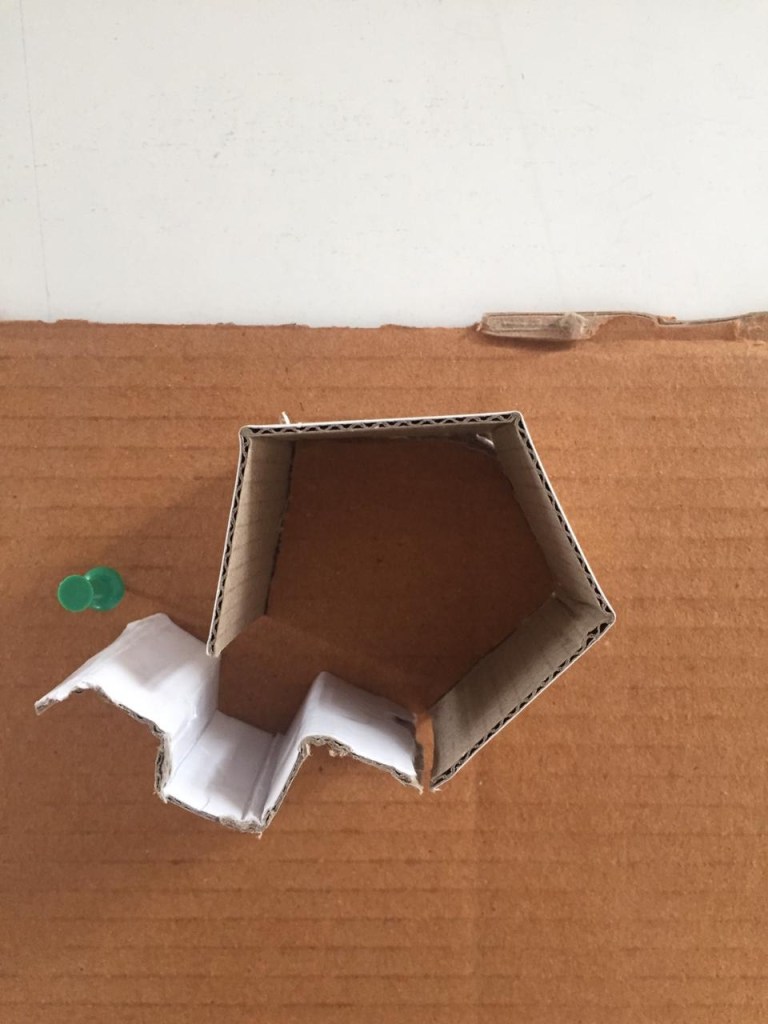
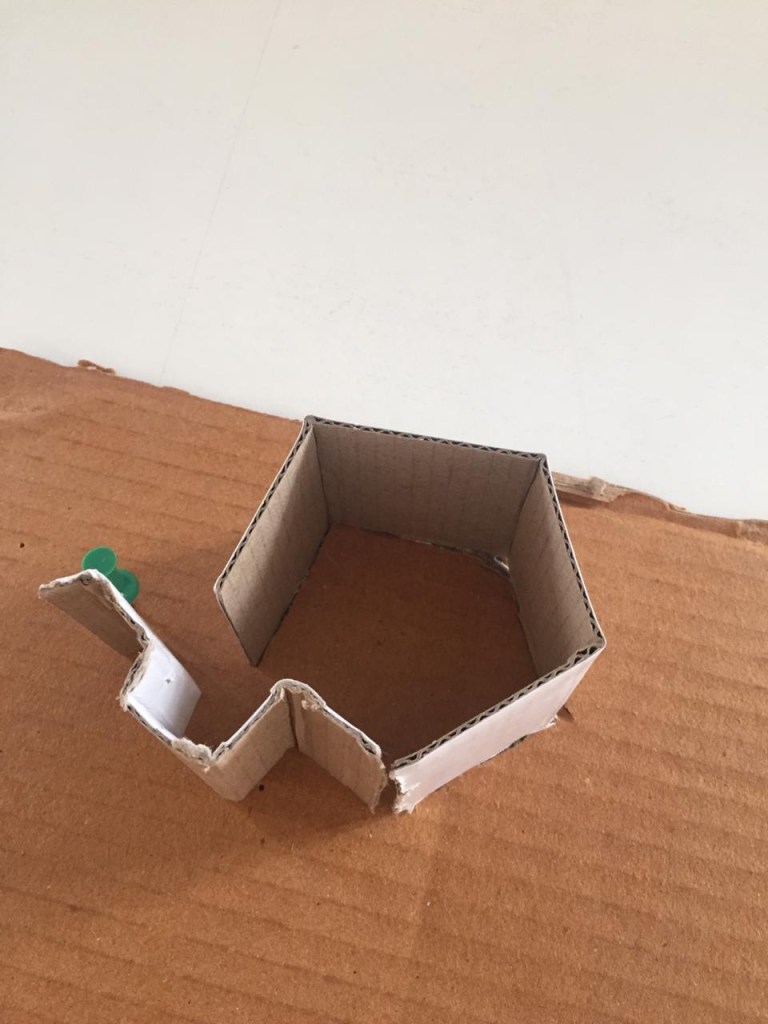
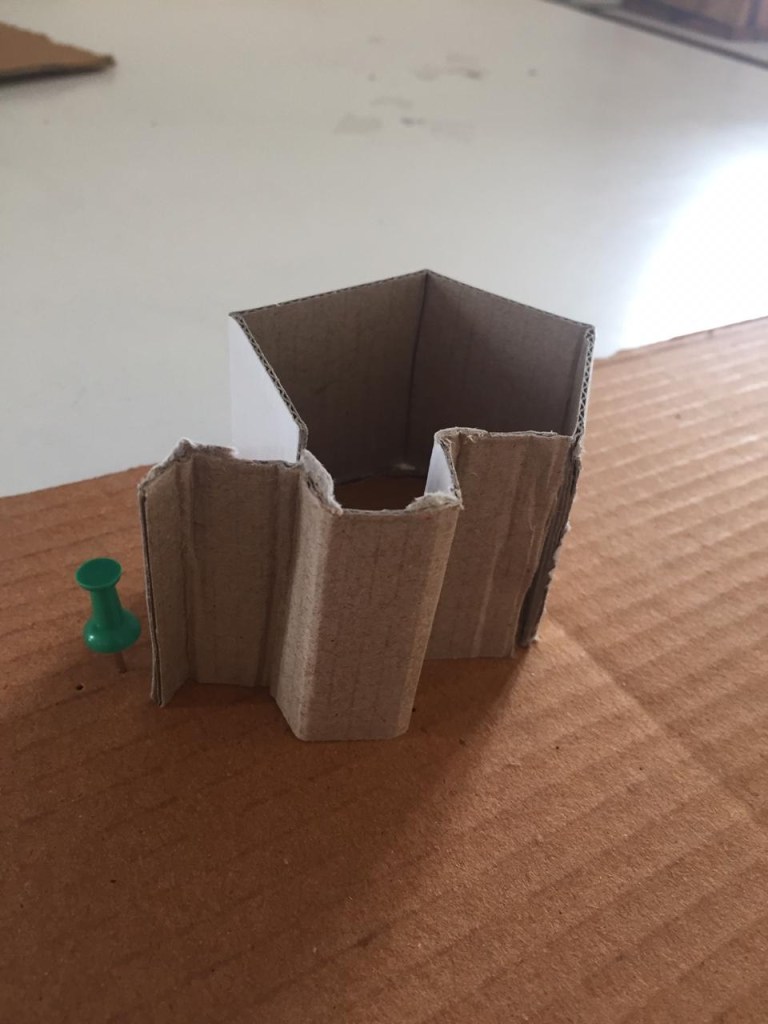
The difference in both of the walls is interesting, because of how they are designed as the latter wall is creating only a single space by having three folds and the former wall has created three different spaces with five folds.
Walls act as borders sometimes, they can be complex or can be simple. The difference between both of them is how are the paths defined like, are they offering us choices or are they straight leading us to somewhere. For example : Ramparts are one of the walls acting as the border wall in the castles or forts for security. Certain animals have a tendency of making their territorial spaces like humans create borders(walls) and birds sing to mark their space. Borders, they divide, differentiate , marginalize and create spaces of different kinds. It can be a border between two cities, countries, caste and much more. So there are certain borders that exists in the space that we experience all through out our lives unconsciously. Curbs, picket fences, country borders are all borders. Even the pillows we keep in between ourselves on bed is one of the examples. Maybe there is some role of materiality that plays and portrays the nature of border. Curbs are the edges of the pavement alongside the roads that divides the pedestrian and road, it has rigidity in the material but acts as a subtle space only for pedestrians to walk. Picket fences act in a similar manner, they have a sort of transparency and as they are not too high, it can be a place for human interaction as well.
Walls can be placed by the juxtaposing them, it can be of different sizes, different shapes to create an interesting space. This is how walls are build within walls and similarly there is a similar idea behind the making of buildings within buildings.
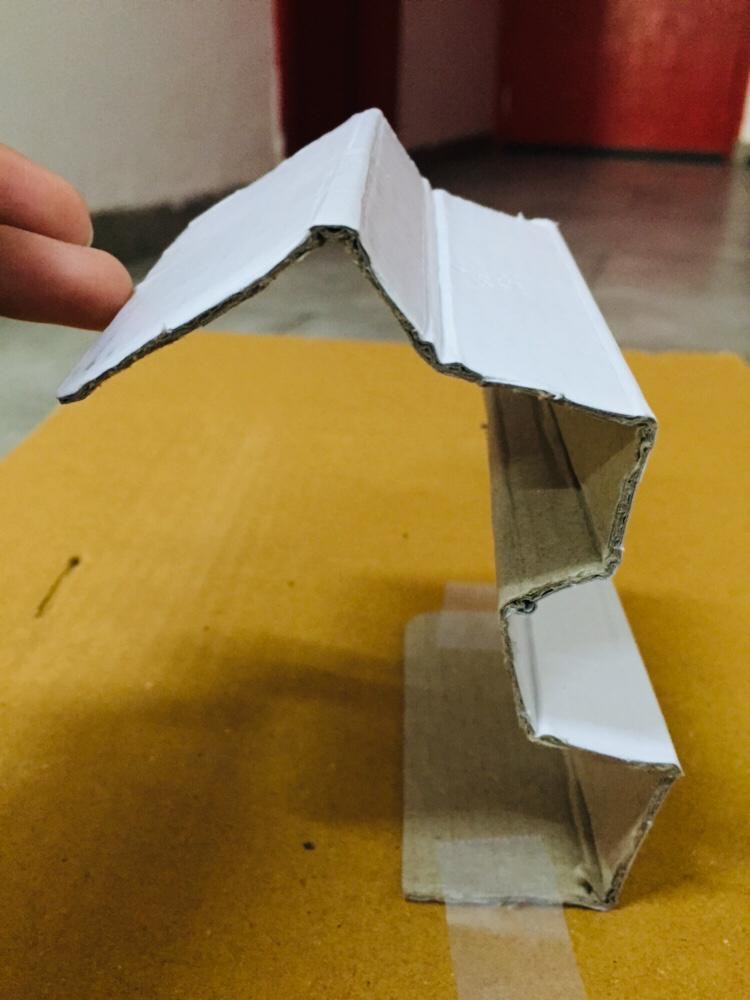
Above you saw, how I worked with the representation of the plan but now moving a little further, I will work in section to demonstrate the same idea but in a different manner.
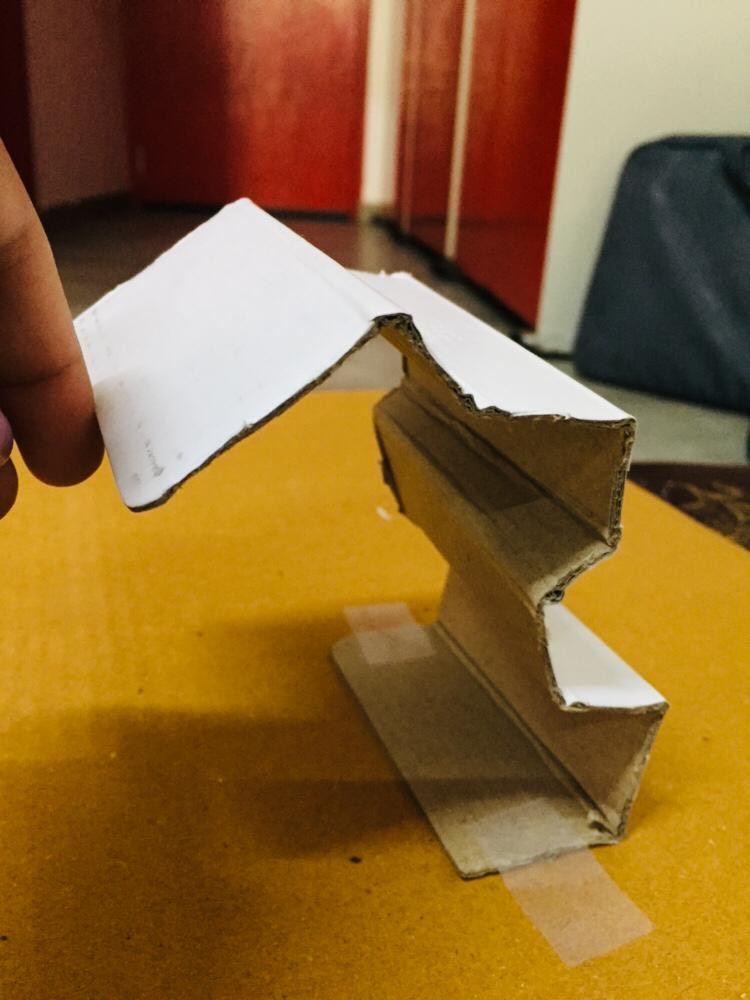
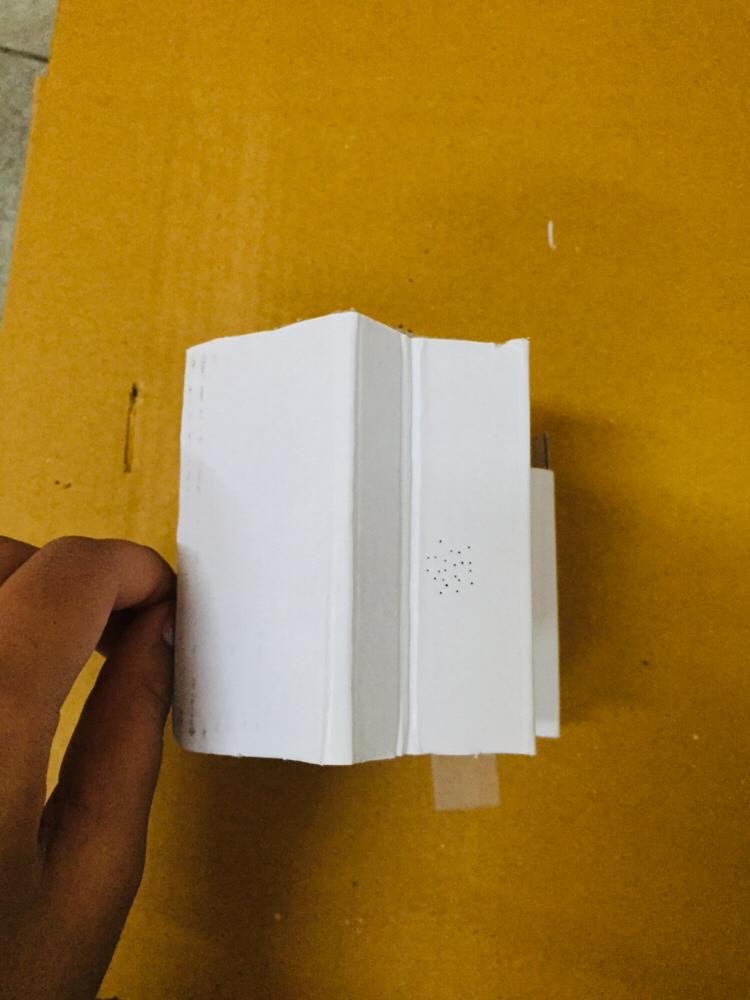
Here I represented spaces in a similar manner that is by making multiple folds but this time, one has to fix their eye to view in a section.
Talking about the word PORTALS, which generally means openings to access a certain space. It allows one to use it as an entrance and further contributes to the interaction of the individual and the space. In the world of Architecture; doors, windows, and gateways act as one of the main portals. There is much more that could be added to this very term called Portal, for example: nostrils are one of the entrance to the nasal passage, rats create their own portals to escape or which direct link them to food sources in a house which is called Burrows, bees have there own meaning of portal which is beehive, a hole in a bird’s nest etc . So by this, one can conclude that there exists different kinds of portals for different organisms or for different purposes. And what if I question that, are the arches portals? I guess, maybe! So some of the pics below are clicked by me in the streets of Old Delhi…
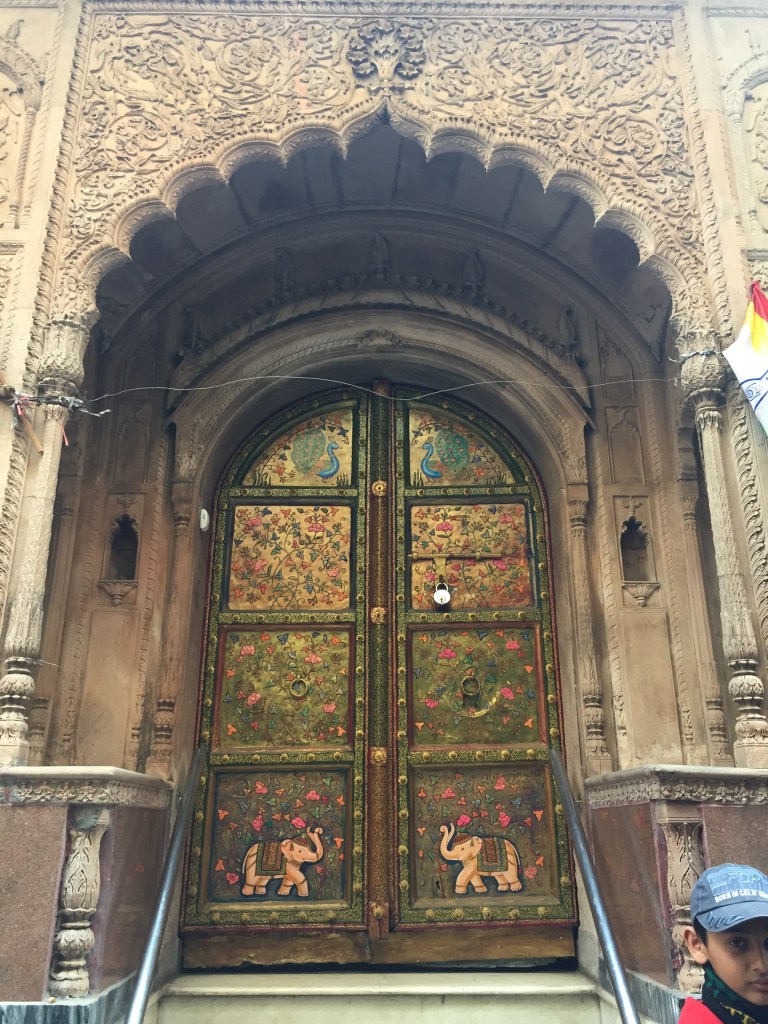
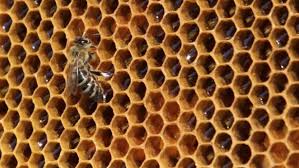
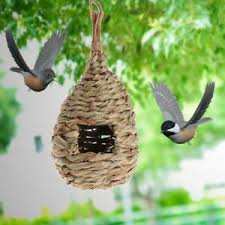
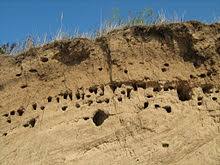
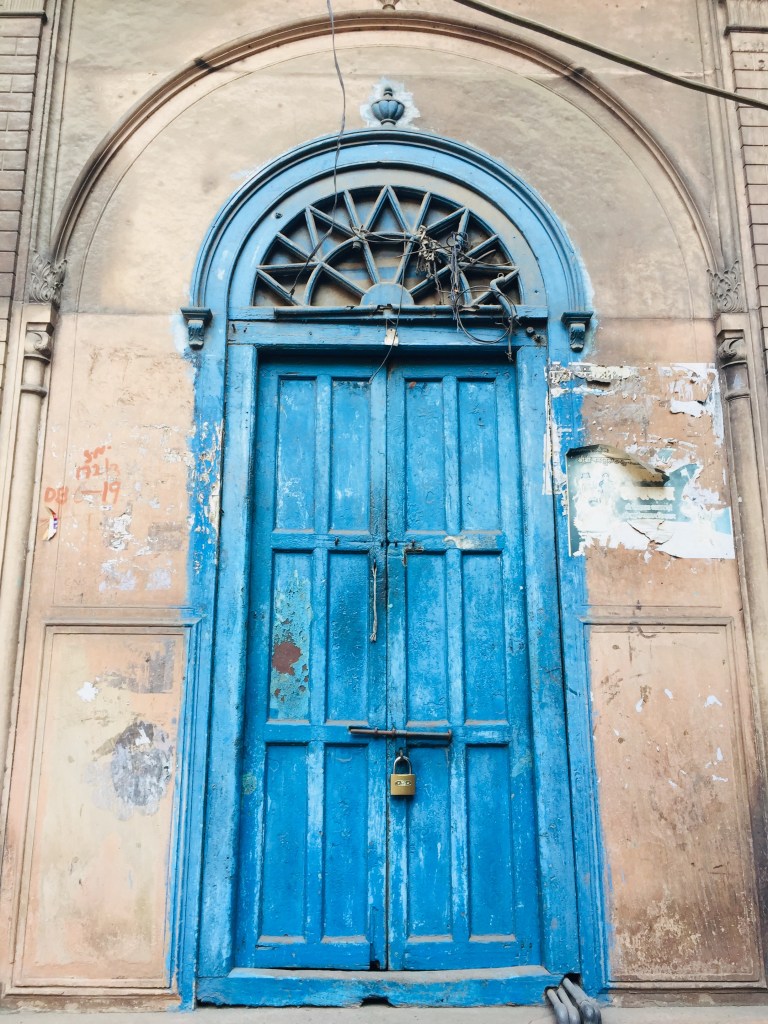
Portals are often compared to the membranes which are semi- permeable that allows in and out of certain substances, which in this case is “us”. By that I mean, all of the openings like doors and windows act as the semi- permeable substances in a wall, which is a membrane. They also create a sense of what happens inside it and what basically it does is it cultivates expectation of what lies beyond.
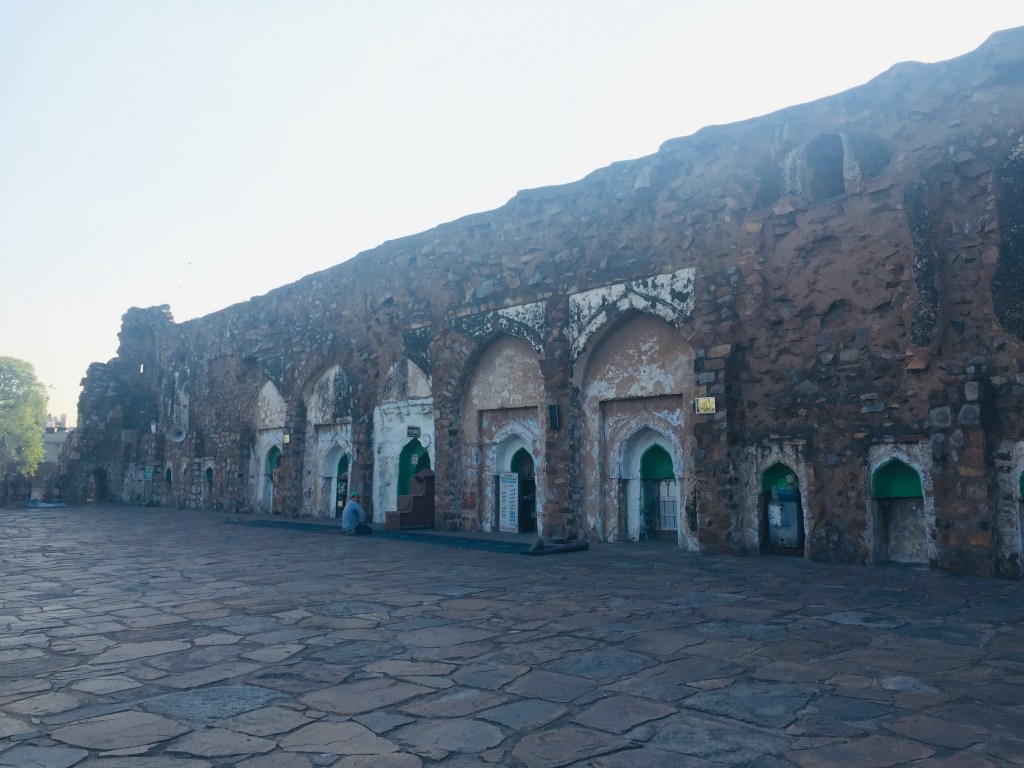
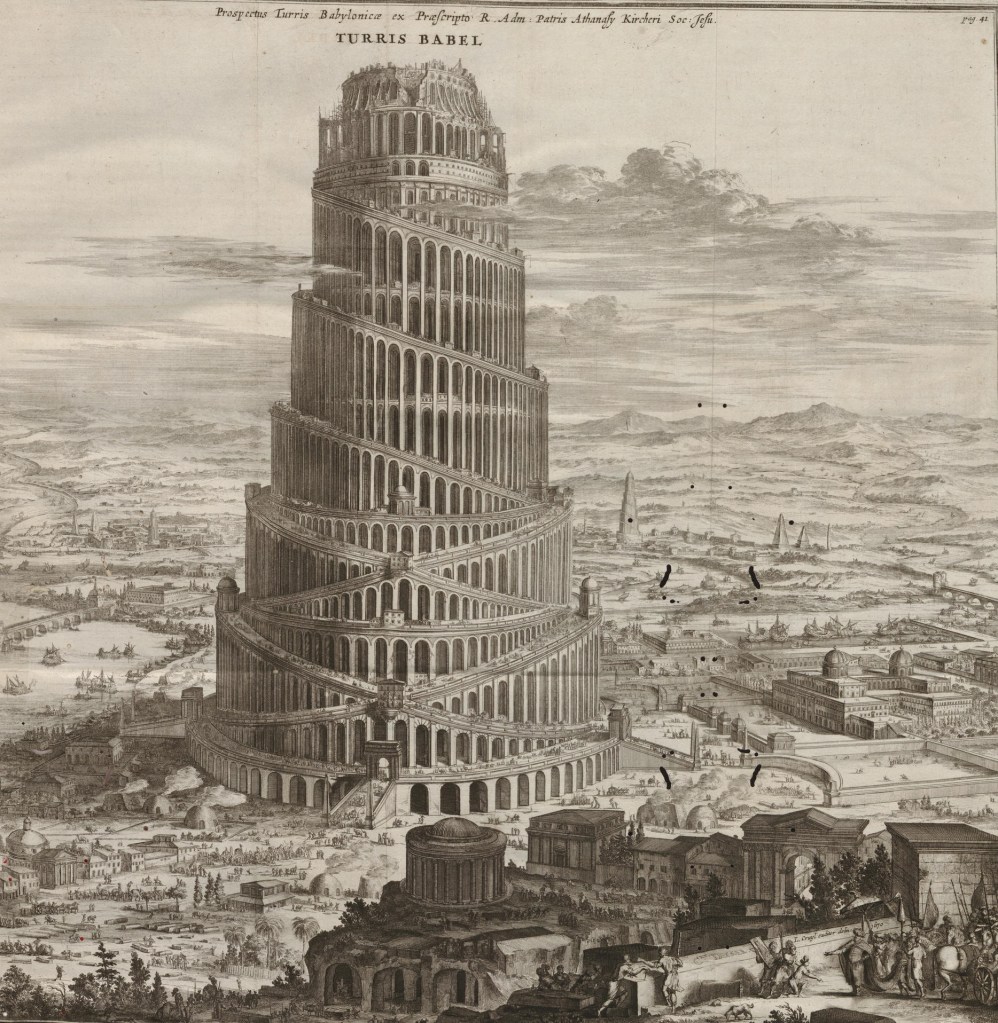
A specific type of portal is called PORCH which is a series of portals maintaining the similar kind of geometry, symmetry and there is a sort of repetition. For eg: Tower of Babel, presently in Iraq shows a very detailed idea of porches. They are spaces designed mainly for socializing and and plays a function of visibility and interaction or can be a space acting as a transition. Porches can be different in size by following the same geometry and symmetry. Porches can be different in size by following the same geometry and symmetry. The first pic below is of a mosque in Firoz Shah Kotla, Delhi. I went to this place not to find porches but to just explore and roam around but this is what I ended up finding.
What I learnt is reflected in the class exercise ( time problem) that I did to make portals with scrap and with some specified constraints told by the professors. We were all given a cardboard sheet to use as a base or plot to work on. I had brought some materials like squared foam sheets, thumb pins, paper cups and much more.
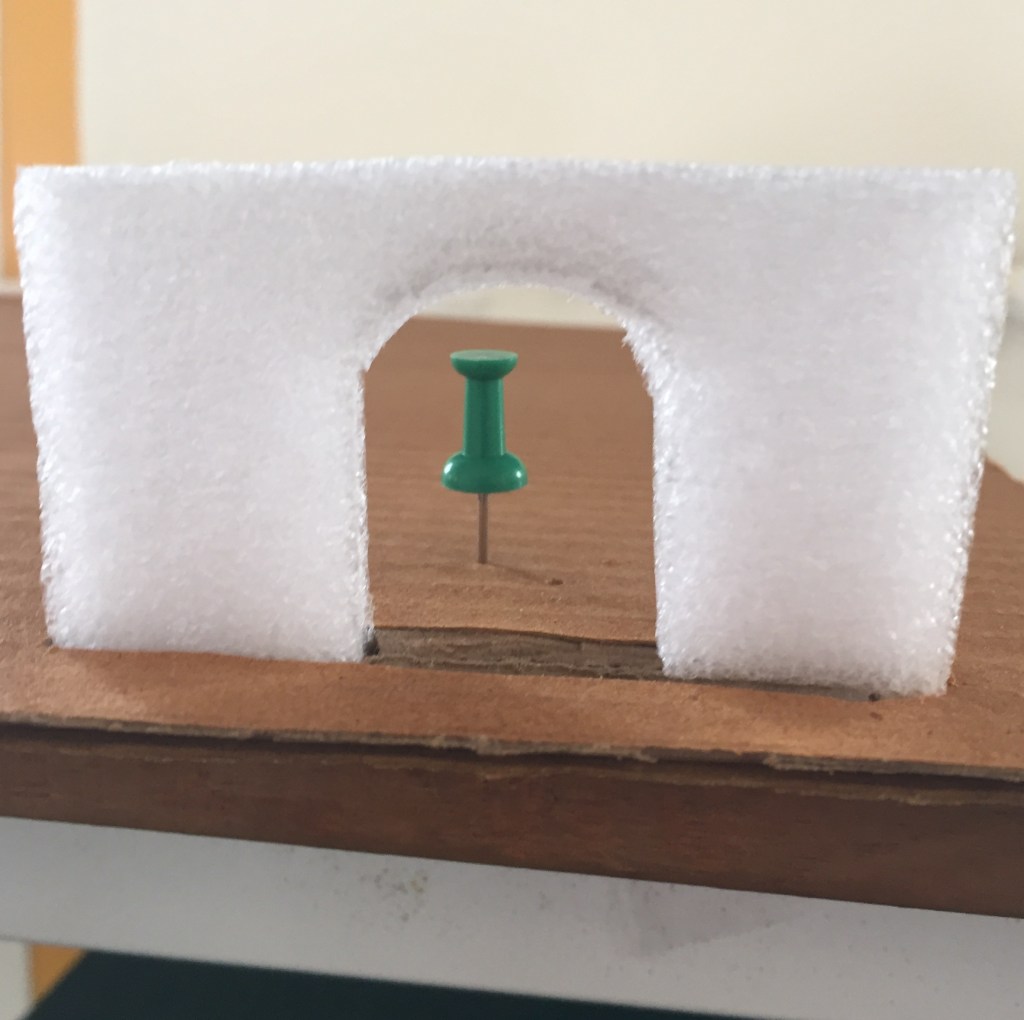
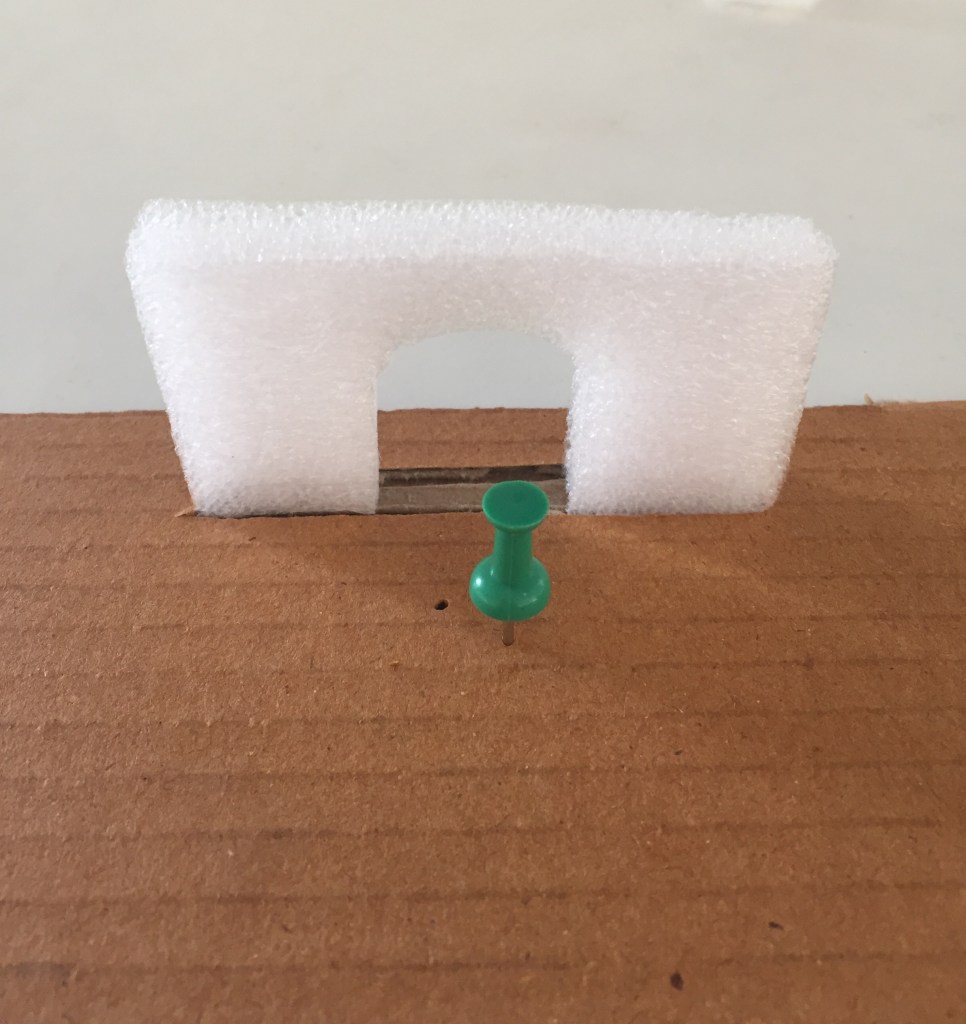
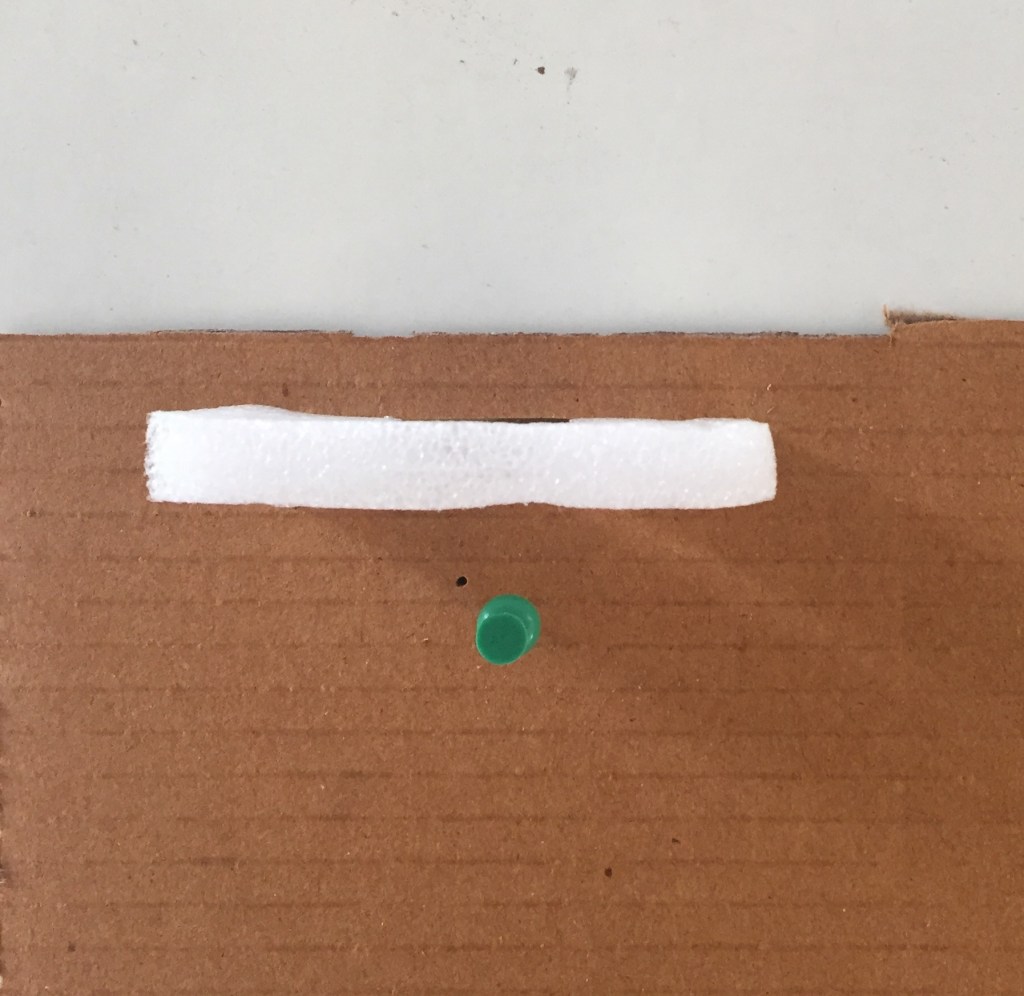
2. Making three different spaces A,B,C separated by portals: (a)First space is, where the scaling device stands, (b) Second space is the passage through the first portal ,(c) Third space is where one can not physically interact with the space but can only visualize it through the second portal. So keeping all of it in mind, I had to complete it in 10 minutes, I used my previous model which is the portal I made above to act as space A and after that I scraped a similar rectangle and placed a foam sheet with a portal on the top this time. Here I basically used the idea of the studio I work in.
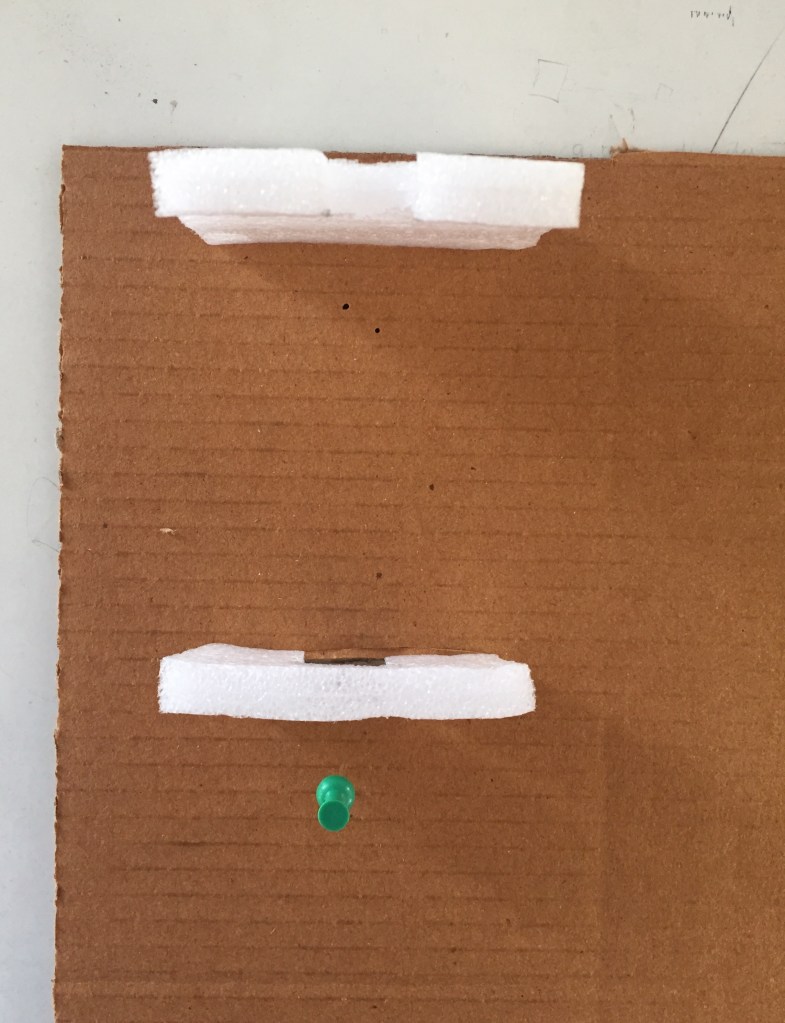
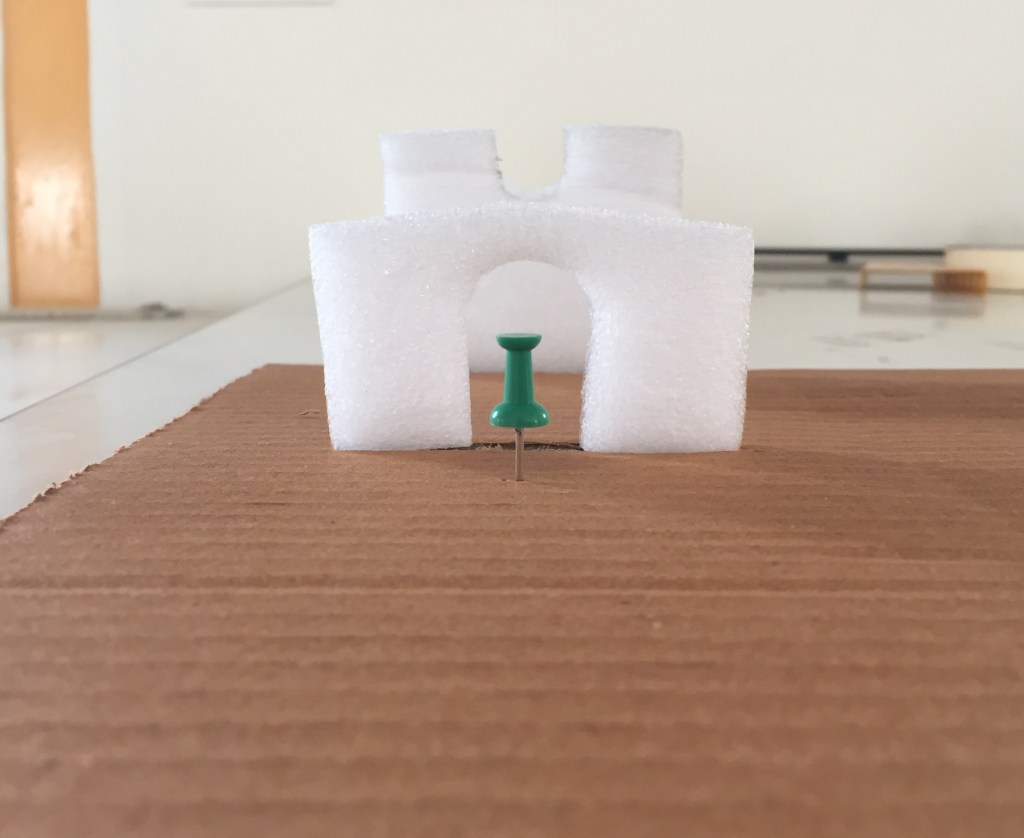
Note: These are my ways of seeing and understanding Axes and Paths. I was absent in the lecture so I read notes of different people and this is what I ended up with.
What are Axes and Paths? These both terms look very familiar but at the same time if we add some new constraints to them, there meanings change. So as my classwork, we were asked to first select any five objects and to put it in an Axis. It sounds pretty easy and so it was.
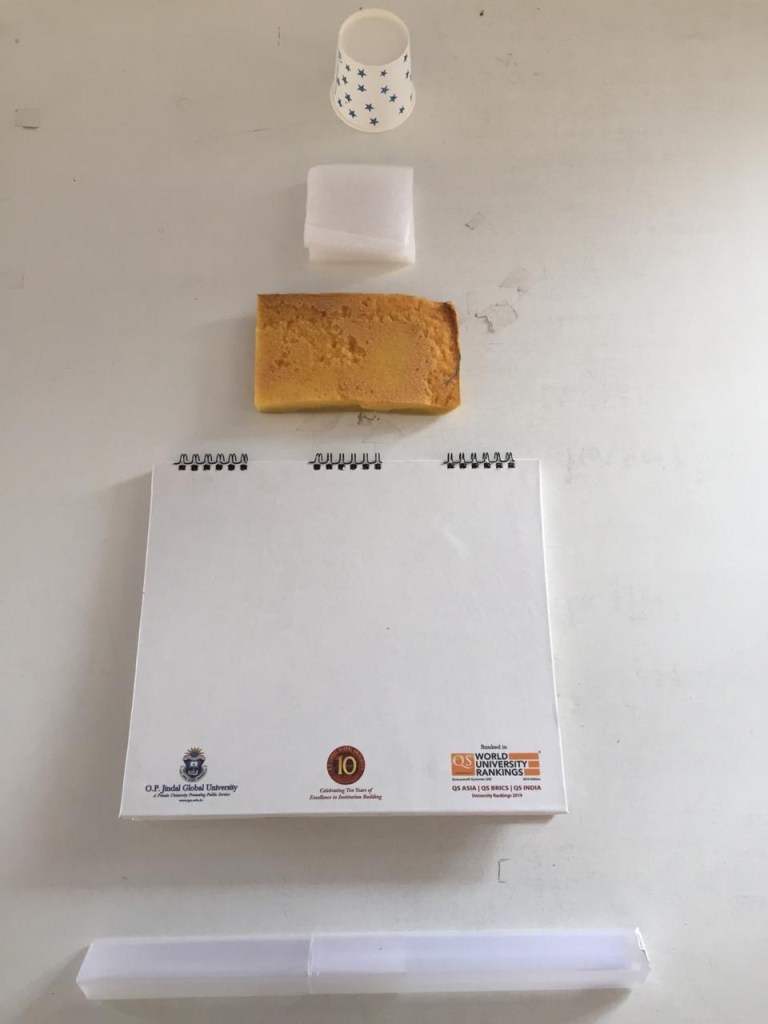
1. As you can see in the picture itself, I placed the five objects on the same plane maintaining a sort of equal distance between them. I figured it out by supposing an imaginary straight line, in my case a 90 degrees line passing through all the objects. Then we were asked to document everything, so the pictures I have put up here is the result of the same.
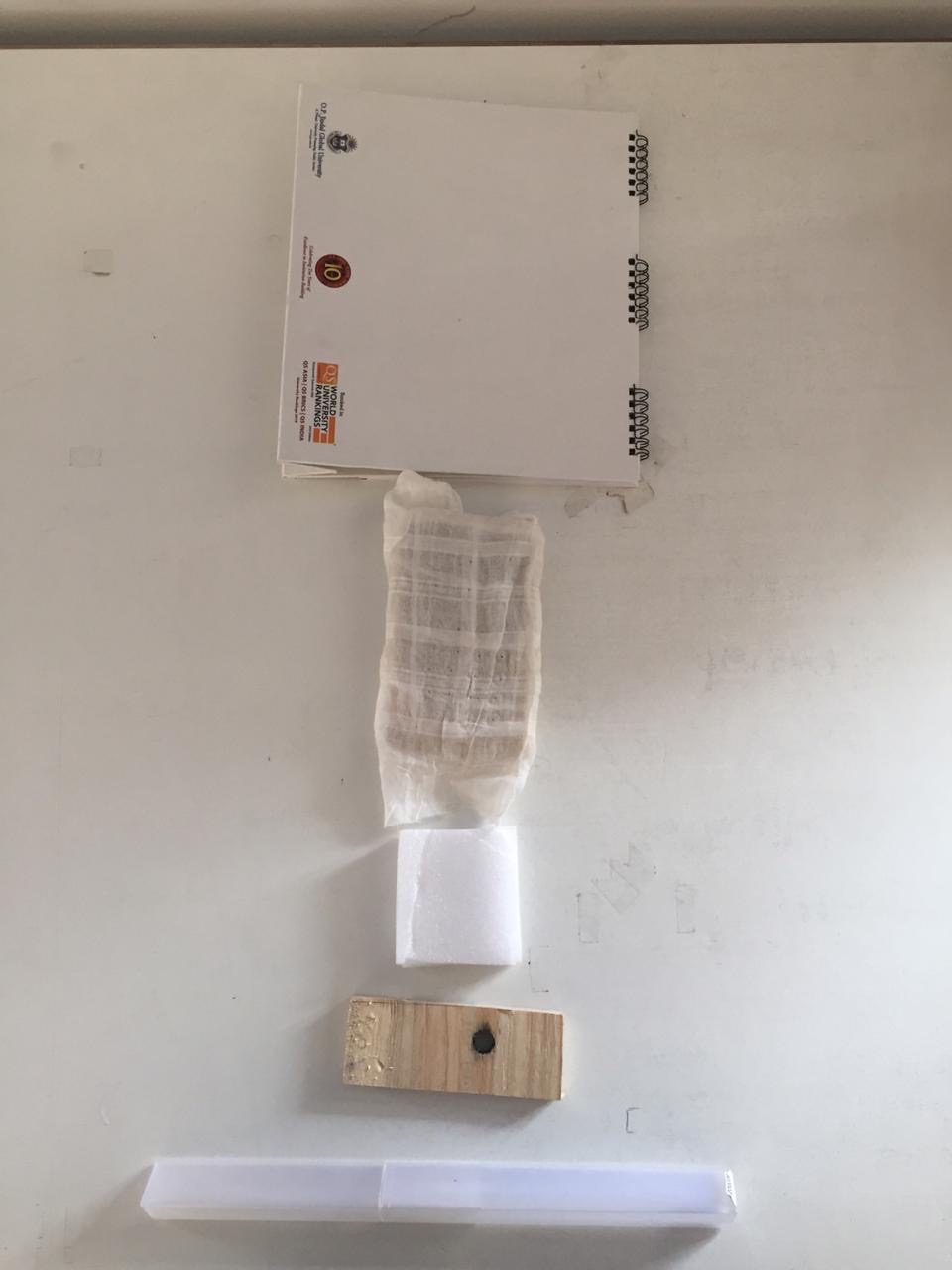

2. Now we were asked to show the progression in the same Axis while using the five elements, so what I understood was the progression in the strength of the materials used or progression in the heights of the objects or maybe the progression meant to give some sort of direction to the axis which in turns become a path. So I ended up like this which made a lot of sense to me for sure. It shows some directional value, and progression with the strength in material and it had a point A and B which are basically the end points which are connected through a path. Seeing the same in elevation triggered me, as the most weakest object I thought of (paper cup), became the most powerful in terms of height.
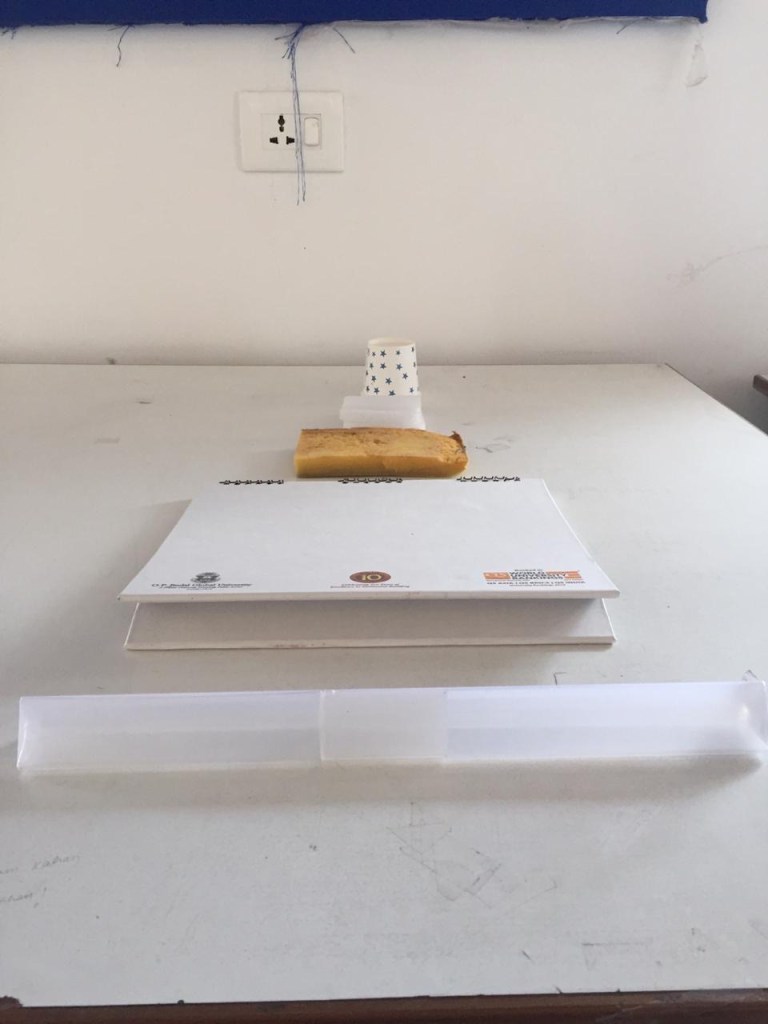
3. Now we played with it a little more by adding EMOTIONS to the structure formed which is very true in reality. There should be some attachments and human emotions involved before building an environment. People and people’s emotions should be prior to the intricate designing of the buildings. Talking about my structure, I worked with the emotion CLAUSTROPHOBIC which tried to show here by using transparent and closely packed materials, which feels more like an Illusion. Some of my peer said it looked more like CONTROLLING and maybe CONFUSED. The bottle and the paper cup gives the essence to my emotion by making it confusing as the bottle is opened from one end and paper cup opened from both the ends, so when one tries to escape out the transparent bottle and makes a vision through the cup, they realise that the bottle is closed and they are stucked.
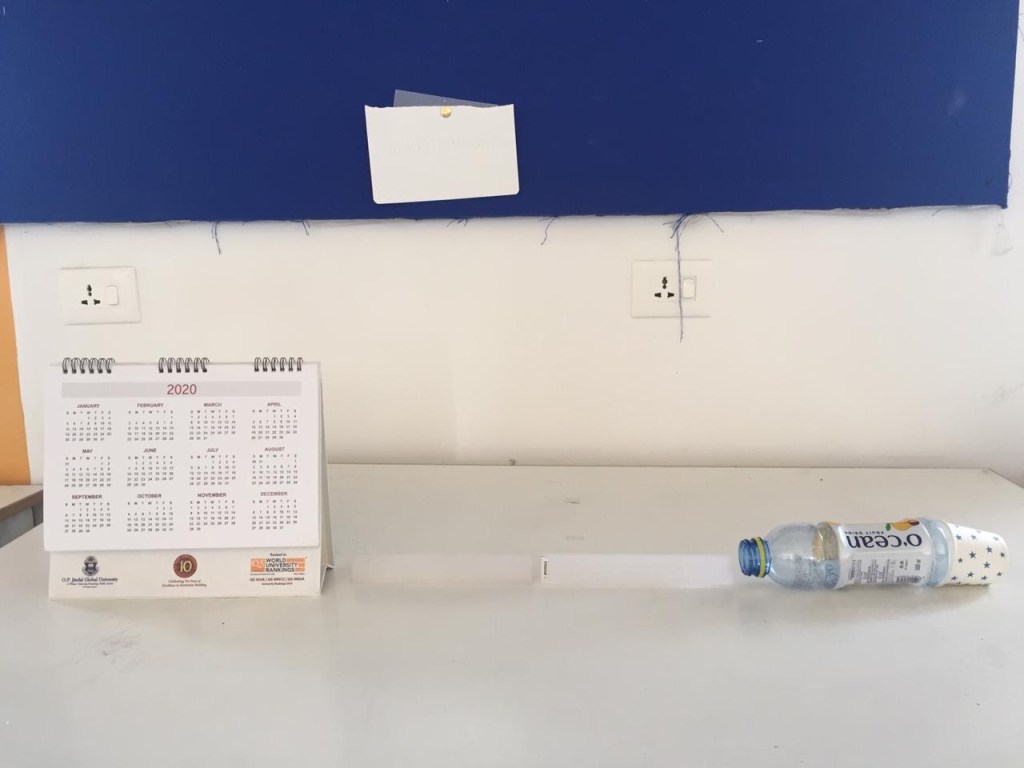
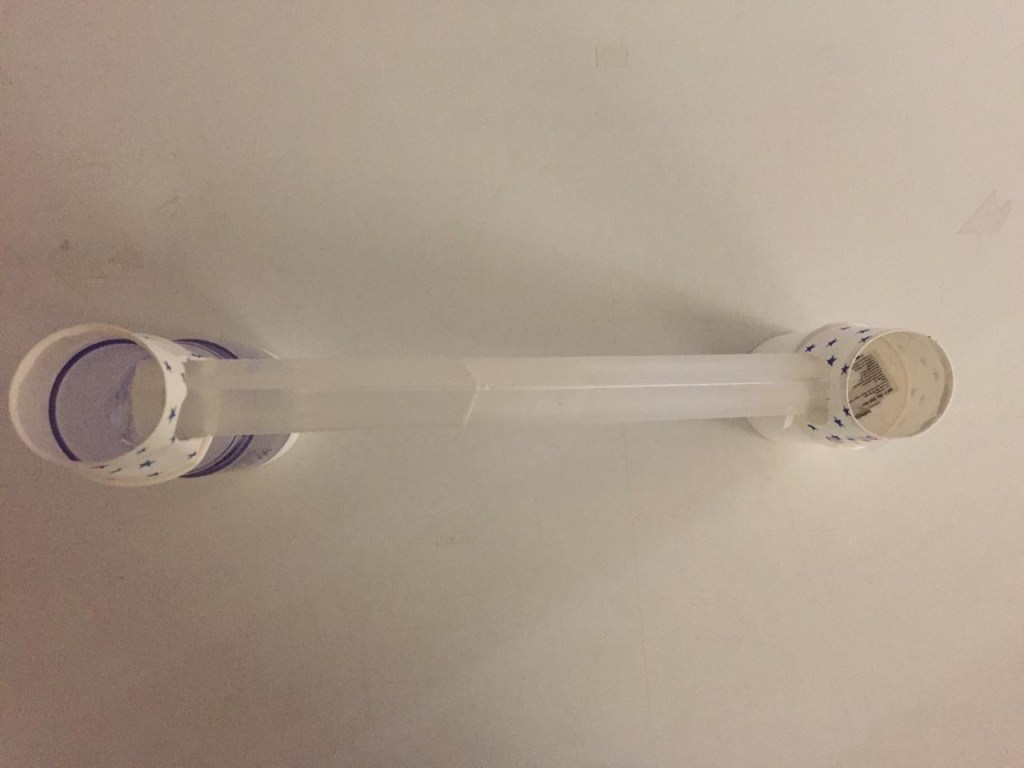
4. Connecting two platforms: Retaining to that very same emotion, now we had to make two different platforms with the objects and connect them. So what I did was, I made two separate platforms and covered them with the paper cups (opened from both the ends) which made the platforms look more claustrophobic due to the very high height of the walls of the platform. I connected both of them with the translucent track which felt more controlling and had a single way that too to the other platform.
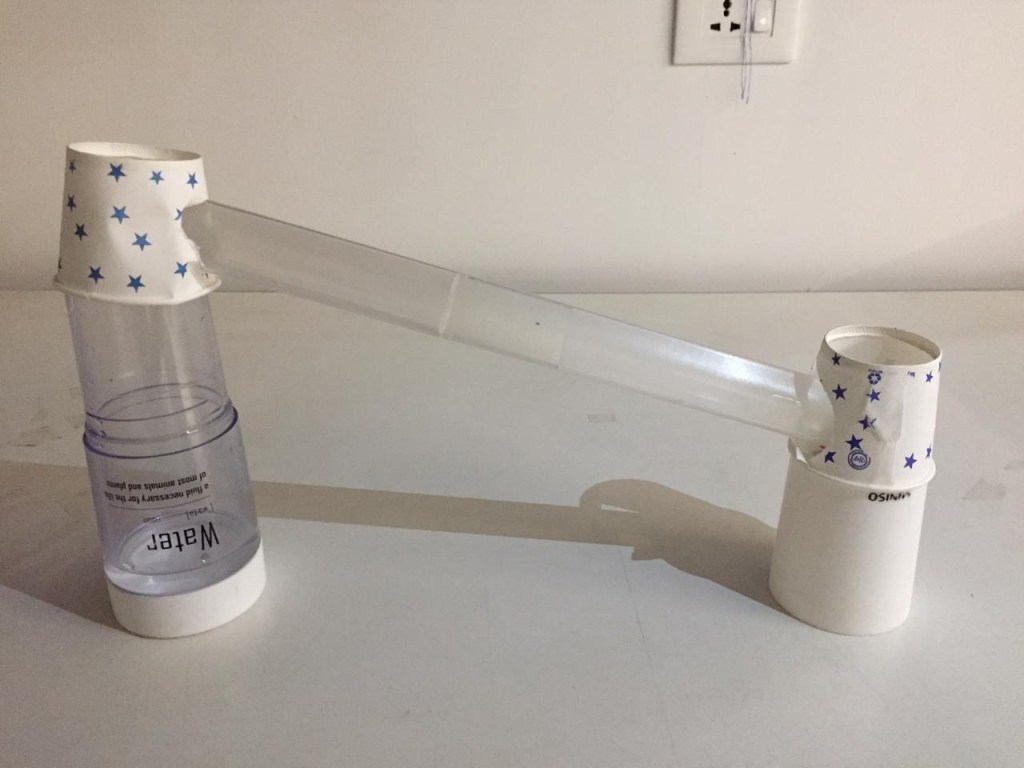
So after all this I got a sense of how Axes and Paths come into play and how they just subtly occur in most of the structures. I learnt the concept of emotions connected to that very structure which I already talked about how significant that is. Doing this steps, I realized that I have unconsciously built a model of a structure. Maybe this is how things work, this is how design works, this is how materials go together and form what we called a Built Environment.
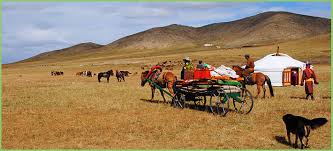
Nomadism is one of the earliest interactions with the Built Environment. Nomads are the communities who travel around taking their contemporary spaces along with them wherever they go without leaving anything behind . They sometimes also serve us with goods they produce like wool, milk and much more. This is not a life time process, it is seasonal. Putting myself in that situation feels like I am free to explore the world and at the same time myself. It sounds fun and adventurous but digging more into their lives, I feel it is not what it looks like. It is difficult to manage spaces in that way. They have totally changed the concept of Architecture in their lives. Architecture for them is just the space they live in without any mud, concrete or brick built environment rather they make their shelters using mostly flexible materials so that it can be easy to transport and can be handy. They can also be a part of “Architecture without Architects”.
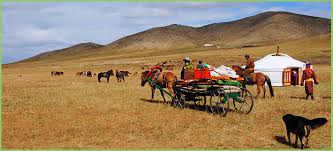
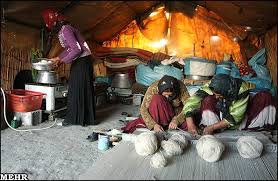
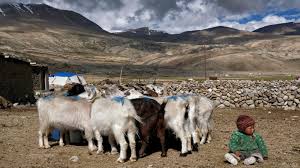
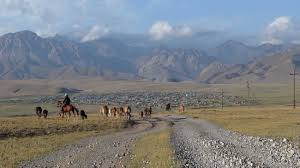
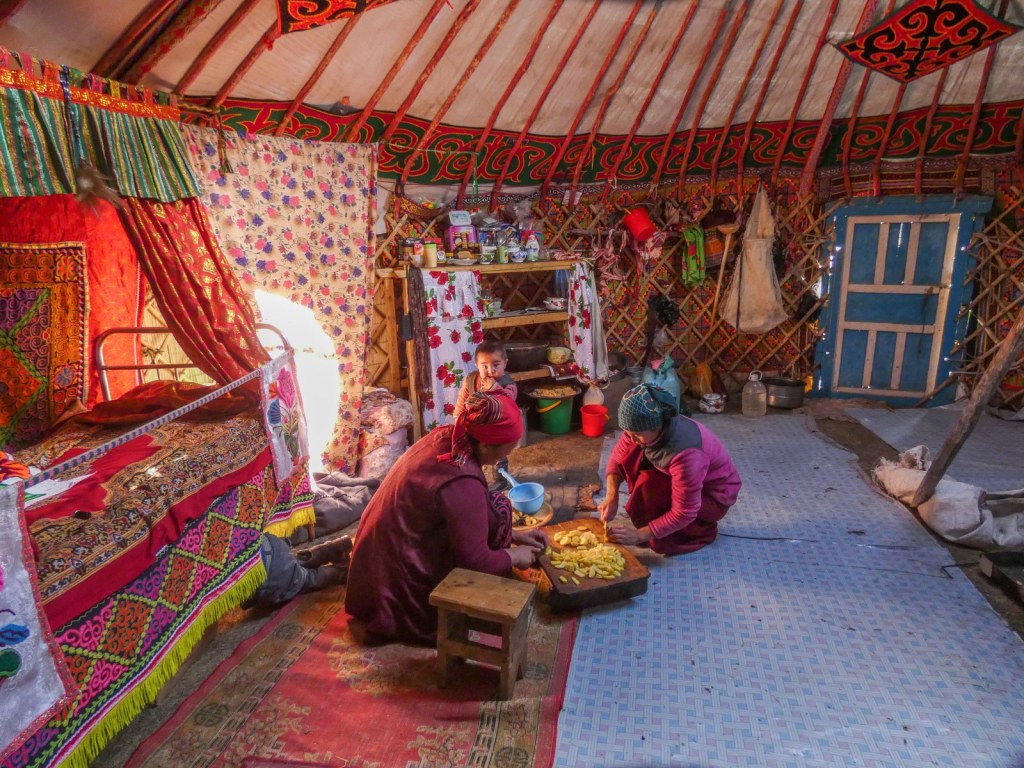
There is curiosity, willingness to search and explore, this is what a nomadic thinking or mentality sounds like. The very feature that makes them more significant is their mentality of local-ness to a place. I wonder how they had been utilizing the resources according to the availability around different regions. There is a flowing nature in both, Nomadism and the world.
This is an example post, originally published as part of Blogging University. Enroll in one of our ten programs, and start your blog right.
You’re going to publish a post today. Don’t worry about how your blog looks. Don’t worry if you haven’t given it a name yet, or you’re feeling overwhelmed. Just click the “New Post” button, and tell us why you’re here.
Why do this?
The post can be short or long, a personal intro to your life or a bloggy mission statement, a manifesto for the future or a simple outline of your the types of things you hope to publish.
To help you get started, here are a few questions:
You’re not locked into any of this; one of the wonderful things about blogs is how they constantly evolve as we learn, grow, and interact with one another — but it’s good to know where and why you started, and articulating your goals may just give you a few other post ideas.
Can’t think how to get started? Just write the first thing that pops into your head. Anne Lamott, author of a book on writing we love, says that you need to give yourself permission to write a “crappy first draft”. Anne makes a great point — just start writing, and worry about editing it later.
When you’re ready to publish, give your post three to five tags that describe your blog’s focus — writing, photography, fiction, parenting, food, cars, movies, sports, whatever. These tags will help others who care about your topics find you in the Reader. Make sure one of the tags is “zerotohero,” so other new bloggers can find you, too.

 My New Local Blog!